💡 Key Takeaway
Moving from static staffing plans to smarter, skills-based decisions
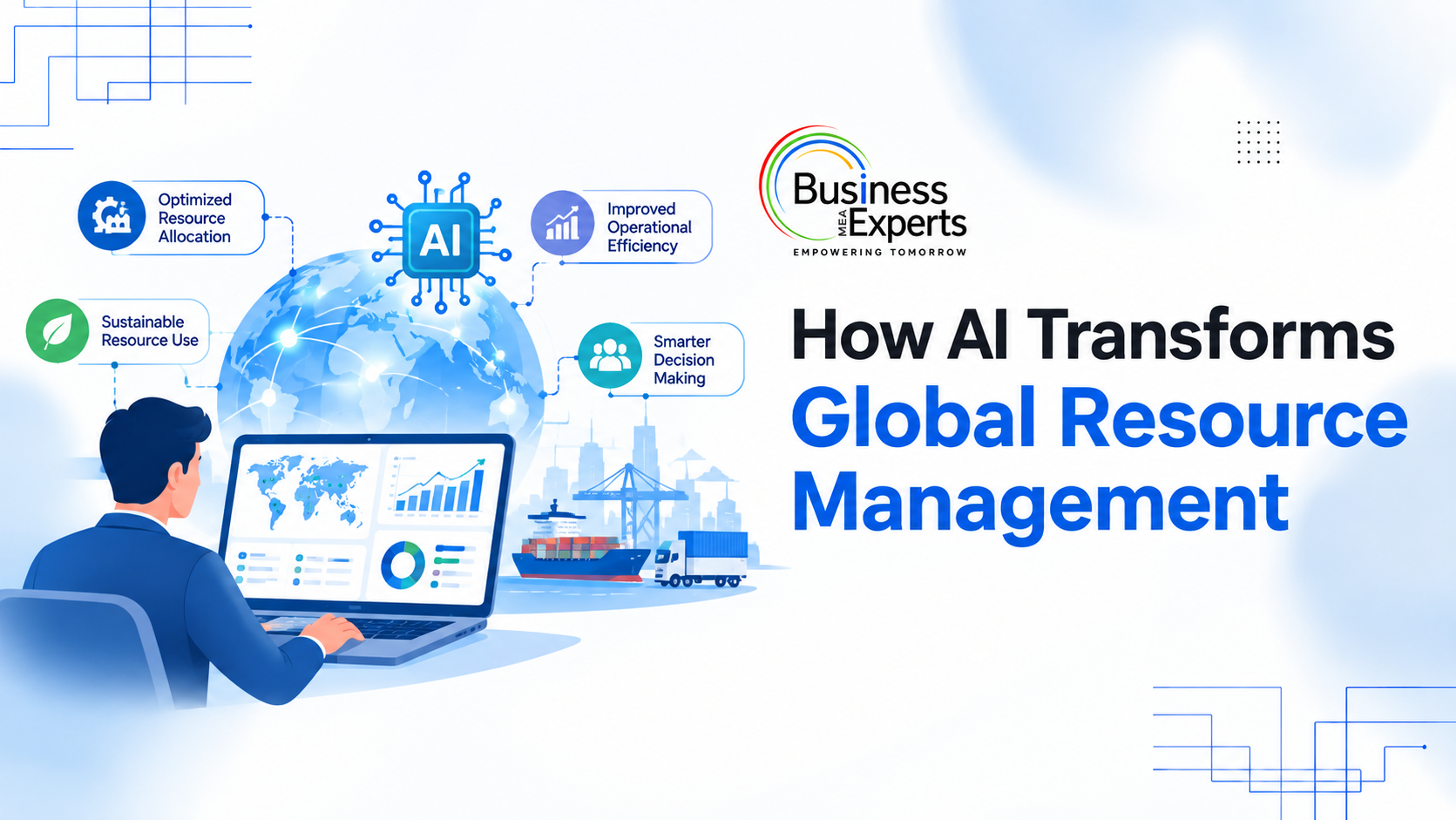
For organizations operating across countries, projects, and time zones, resource management is becoming harder to treat as a spreadsheet exercise. Teams need to balance skills, availability, project demand, cost, utilization, local working patterns, and changing business priorities often at the same time.
AI is changing what is possible. Instead of looking only at headcount or job titles, organizations can increasingly use data and intelligent tools to understand skills, identify capacity gaps, support resource matching, and surface patterns that may be difficult to see manually.
From headcount planning to skills-based planning
Traditional workforce planning often starts with roles, departments, and headcount. AI makes it possible to look at the problem from a different angle:
- What work needs to be done
- What skills that work requires
- Where those skills are available.
This matters in a global organization because the best resource for a project may not always be the person in the same location or the person with the closest job title.
Microsoft Dynamics 365 Project Operations supports core resource-management processes such as maintaining skills and proficiency information, matching resource requirements to available skills, booking resources, and tracking utilization. AI can build on this foundation by helping teams interpret larger volumes of workforce and project data more quickly.
-
Match the right skills to the right work
One of the most practical applications of AI in resource management is intelligent matching. Instead of manually searching through employee lists, managers can use structured skills data and project requirements to identify potential matches.
The value becomes greater when organizations maintain a reliable skills repository. Dynamics 365 Project Operations supports skills and proficiency records and resource requirements, providing a structured foundation for matching project needs with available capabilities.
AI can help make the process more dynamic by identifying patterns, highlighting possible skill gaps, or helping managers explore alternative staffing options. The manager still owns the decision; AI helps reduce the time spent finding and comparing possibilities.
-
See capacity before it becomes a bottleneck
Global resource planning becomes difficult when demand changes faster than plans can be updated. A new project can bring an urgent need for specialized skills, while another project may suddenly require less capacity.
AI-supported analysis can help organizations move from a static view of availability to a more responsive one. Instead of asking only, “Who is available today?”, resource managers can consider upcoming demand, existing commitments, skills, utilization patterns, and potential conflicts.
Microsoft describes Project Operations as connecting sales, resourcing, project management, and finance so teams can view project and resource information across the project lifecycle. That connected data matters because resource decisions are rarely isolated from commercial and financial decisions.
-
Make project decisions earlier
AI becomes particularly useful when it helps managers identify an issue before it becomes a delivery problem. An overloaded resource, an emerging skills gap, or a project falling behind schedule can create knock-on effects across other assignments.
Microsoft’s Copilot capabilities in Dynamics 365 Project Operations include task-plan generation, project risk assessment, project status reporting, and an interactive experience for project teams. These capabilities can reduce administrative effort and allow managers to spend more time on decisions.
When project, resource, schedule, and financial information are connected, managers have more context when deciding whether to reassign work, adjust timelines, add capacity, or escalate a risk.
-
Manage a global workforce with more context
Another complication with global resource management is that various countries have different calendars, working hours, employment requirements, labor markets and availability patterns.
While AI can help analyse these factors on a much larger scale, the quality of the results will depend heavily on the quality and governance of the data. To generate actionable recommendations, definitions of skills, availability, organisational structure, project assignment, and HR information need to be consistent.
Microsoft’s Dynamics 365 Human Resources cloud solution is designed to integrate people and operations data and features related to skills, performance, learning, recruiting and the employee lifecycle. Microsoft is investing in intelligent HR operations and processes for the workforce in 2026.
-
Give managers intelligence, not another dashboard
Adding more data does not automatically improve resource management. The real opportunity is to turn information into a decision that a manager can act on.
Microsoft is expanding Copilot and agent capabilities across its business applications, including experiences designed to help users summarize information, identify issues, and take action within their workflows.
For resource managers, the experience should be practical: surface a capacity risk, explain the relevant factors, suggest options, and let the manager decide what happens next. That is different from simply presenting another report and asking people to interpret it themselves.
The human decision still matters
AI should not be treated as an automatic replacement for resource managers. Workforce decisions can affect careers, project delivery, cost, employee experience, and compliance. Recommendations therefore need context, review, and appropriate governance.
Microsoft’s recent Work Trend Index research describes a move toward human-agent collaboration, where people direct and supervise AI-enabled work rather than simply handing decisions over to a system.
The strongest model is therefore human-led and AI-assisted.
Our approach is simple: connect. understand. optimize. scale.
The first step for global organisations towards effective use of AI in resource management is the foundation. Properly automating tasks requires businesses to know the state of workforces, project needs, skills and availability, as well as the current workflow systems.
At Business Experts MEA, our aim is to bridge the gaps between business processes, data, AI, and business needs across the Microsoft Dynamics ecosystem. Dynamics 365 Project Operations offers project planning and resource management, time tracking, and financial visibility, and Dynamics 365 Human Resources offers workforce and employee data.
The ultimate goal is to provide a networked ecosystem that allows organizations to gain insight into capacity, optimize resource use, identify resource deficiencies and make better decisions based on this information without adding any unnecessary complexity.
What can this mean for the business?
A well-designed AI-enabled resource-management approach can help organizations work toward:
- Better alignment between skills and project requirements
- Earlier visibility of capacity constraints and resource conflicts
- More informed workforce planning and reskilling decisions
- Less manual effort spent preparing resource and project information
- Stronger visibility across projects, people, and financial performance
- A more responsive operating model as business demand changes
The exact benefit depends on data quality, processes, technology, and governance. AI is an enabler, not a substitute for sound resource-management practices.
What the future holds
Global resource management is moving toward a more connected, skills-based, and data-driven model. AI can help organizations understand where capability exists, where demand is changing, and where managers may need to act sooner.
The organizations that benefit most will not necessarily be the ones using the most AI. They will be the ones that connect reliable workforce and project data with the right AI capabilities and keep people firmly in control of the decisions that matter.